Antigravity 2.0 and WebMCP: The New Playbook for Web Agencies
Google I/O 2026 redefined the role of a web developer. The Developer Keynote demonstrated that building applications line by line is no longer the standard. The focus has shifted entirely to agent orchestration.
For web agencies and technical founders, Antigravity 2.0 and the new WebMCP standard represent a massive shift in how software is built and how websites interact with the internet.
The 12-Hour Operating System
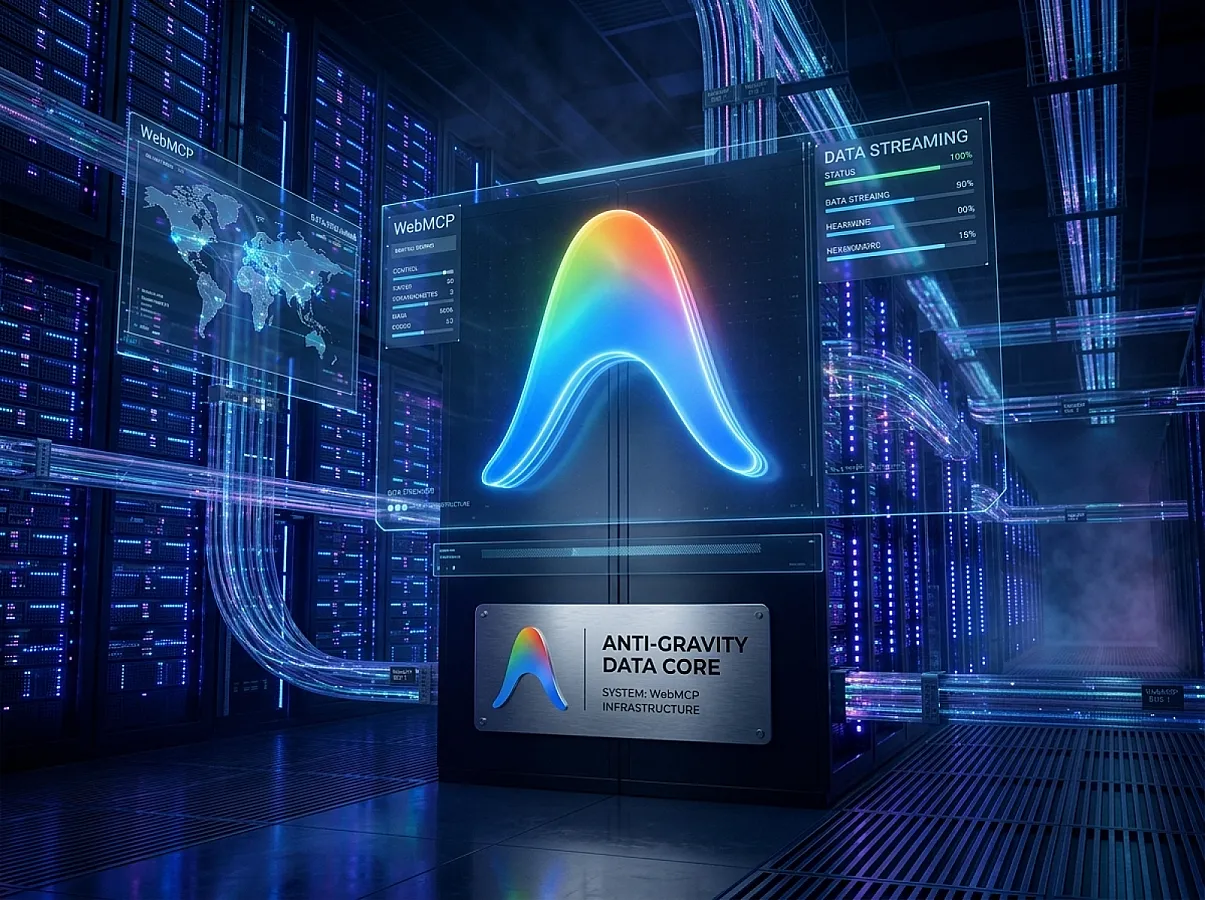
The most striking demonstration at I/O was Antigravity 2.0. Using the Antigravity Agent Harness and Gemini 3.5 Flash, a team of 93 autonomous subagents built a fully functional operating system from scratch in just 12 hours. They wrote the scheduler, memory management, and file system, processing 2.6 billion tokens for under $1,000 in API costs.
The Cafali Perspective: This completely shatters traditional agency timelines. Multi-month engineering efforts for MVPs and client applications will collapse into days or hours.
Agencies must adopt agent-first development platforms immediately. The value of an agency is no longer writing boilerplate code. The value is orchestrating subagents, defining the architecture, and reviewing the output. Agencies that leverage Antigravity 2.0 can increase their output capacity exponentially while drastically reducing client costs.
WebMCP: Agent-Oriented Optimization
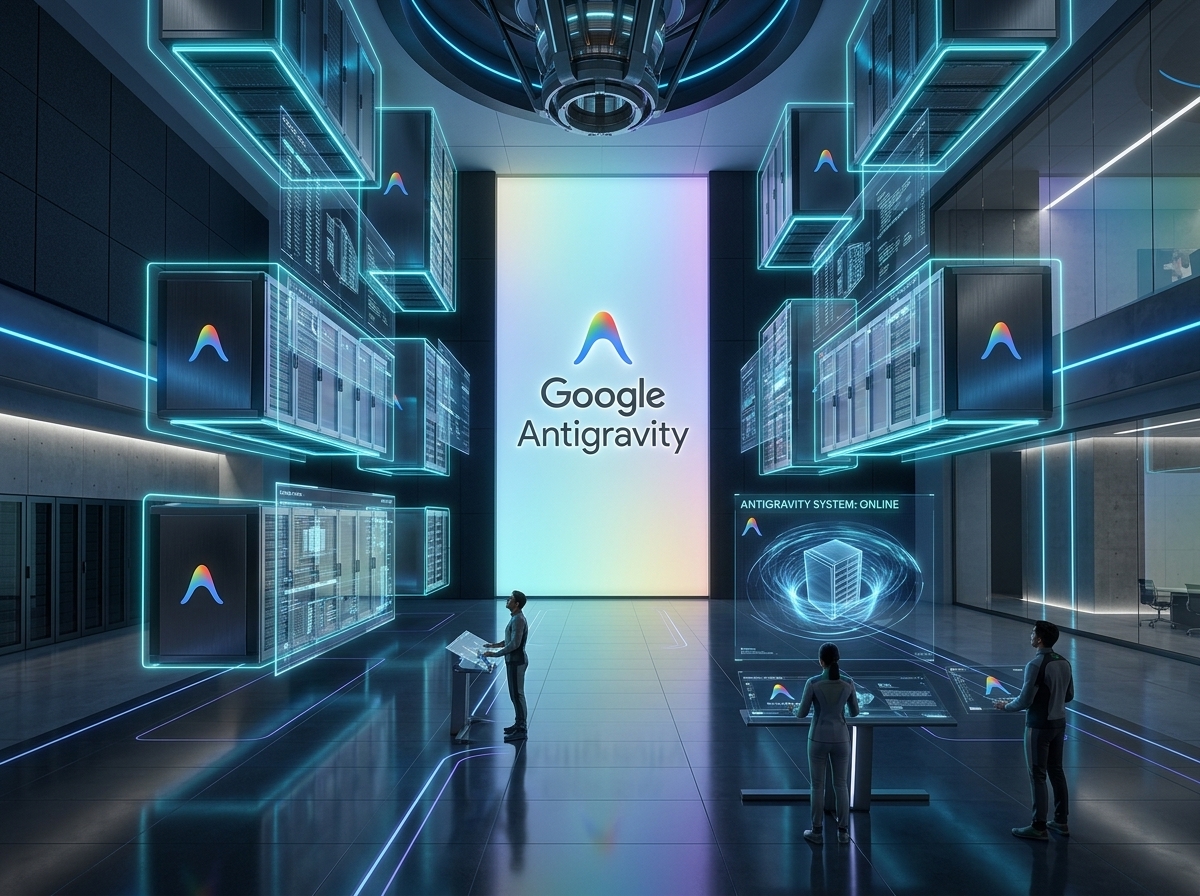
Google introduced WebMCP, an experimental open web standard starting in Chrome 149. WebMCP allows developers to expose structured tools, JavaScript functions, and HTML forms directly to browser-based AI agents. This means an agent can execute complex tasks on a website with precision, without relying on fragile web scraping.
The Cafali Perspective: WebMCP is the death of traditional SEO and the birth of Agent-Oriented Optimization (AOO).
Soon, human users will not browse websites to find information or fill out forms; their personal agents (like Gemini Spark) will do it for them. If a client's website does not expose its inventory, pricing, or contact forms via WebMCP, AI agents will ignore it. Web agencies must start upgrading client architectures to support WebMCP immediately. A website must be readable and operable by machines, not just visually appealing to humans.
Migrating Legacy Code in Hours
Google also previewed an Android migration agent that analyzes legacy code (like React Native or older web frameworks) and migrates it to a native Kotlin Android app. Migrations that typically took weeks are now completed in hours.
The Cafali Perspective: Technical debt has always been a major roadblock for startups and a lucrative revenue stream for agencies.
With migration agents, agencies can offer rapid modernization services. You can take a client's outdated platform and upgrade it to modern standards at a fraction of the historical cost. This lowers the barrier to entry for platform rebuilds, allowing agencies to close deals faster by removing the massive time and cost risks associated with legacy migrations.
Speed as a Feature
Gemini 3.5 Flash is deeply integrated into Antigravity 2.0. Google stated the model was co-optimized with the platform to be 12 times faster than other frontier models when executing agentic coding tasks.
The Cafali Perspective: In agent-driven development, latency is the bottleneck. When dozens of agents are conversing and writing code, slow models stall the entire project. The optimization of Gemini 3.5 Flash means agencies can run continuous integration and testing loops in near real-time.
Web agencies must stop selling hours and start selling outcomes. The tools announced at Google I/O 2026 provide the leverage to build faster, integrate deeper, and operate client businesses entirely through AI. Agencies that fail to pivot to this model will simply be priced out of the market.